Categories
Month: August 2021



The global reality of the climate crisis could hardly be more stark. A common theme is clear, from western Germany, where about 200 people perished in floods, to Henan province in central China, where at least 50 have died and about 400,000 have been evacuated after overwhelming downpours, to western Canada and the US, where a blistering set of heatwaves has provided the tinder for wildfires on a growing scale, through to the Middle East, where drought threatens communities from Algeria to Yemen, triggering unrest and regional disputes. On this planet there is no hiding place.
A hundred days now remain before the nations gather in Glasgow at the United Nations Cop26 climate conference on 31 October. More than 190 world leaders are expected. The UK government calls the summit the world’s last best chance. That is true. Yet words are cheaper than actions and sustained effort, especially when Boris Johnson is involved, and the last best chance is at serious risk of being lost. As things currently stand, the governments of the world, the UK included, are heading to Glasgow without having made the ambitious strategic decisions and collective sacrifices that might enable Cop26 to mark a genuine turning point that is needed in the battle to contain and reverse global heating.
This week, environment ministers from the G20 powers – representing more than 90% of the world’s economic production – have been meeting in Naples. This gathering ought to have provided a tremendous springboard towards Cop26. But the meeting has been short on concrete joint policy commitments of the kind that might create the necessary new political momentum. At the heart of the problem is the failure of the G20 to agree on actions and timetables to achieve global net zero greenhouse gas emissions by 2050. This is umbilically linked to the similar failure to set the more ambitious global goal of restricting global heating to an increase of 1.5C in the same period. Reports suggest that the ministers will recognise that 1.5C is preferable to 2C but not do enough about it.
This is unacceptable, but it is characteristic of a world struggling to recover economically from the pandemic. Governments’ recovery plans are increasingly falling short of what is needed to reach existing climate goals, never mind new ones. Globally, carbon emissions are again set to rise in 2023, not fall. The world is in danger of losing the path towards net zero. That failure comes down partly to money and partly to politics. Today, as in the past, responsibility should be widely shared. European countries, the UK included, often talk a better game than they play. On Thursday, Angela Merkel admitted as much about Germany’s record. “We can’t continue at the current pace but have to up the tempo,” she conceded.
There is little concrete evidence that Britain, as the Cop26 host nation, has done enough to make sure this happens. The task remains urgent. Without big developing countries such as Brazil and India on board, agreement is difficult, and these countries know they have bargaining power. The biggest carbon emitter remains China, where totals are still rising, and the US, whose emissions are falling but historically (and per capita) far exceed China’s. Together they are responsible for 40% of global emissions, so without them nothing decisive is achievable. The US climate change special envoy, John Kerry, is pledging extra money to support global climate initiatives but insists there will be no trade-off with China on human rights in order to secure a stronger climate deal. If an adequate agreement can still be reached, then Cop26 may yet be a success. But the clock is ticking and the stakes are getting ever higher.
Jennifer Francis , Michael Mann , Holly Jean Buck and Peter Kalmus
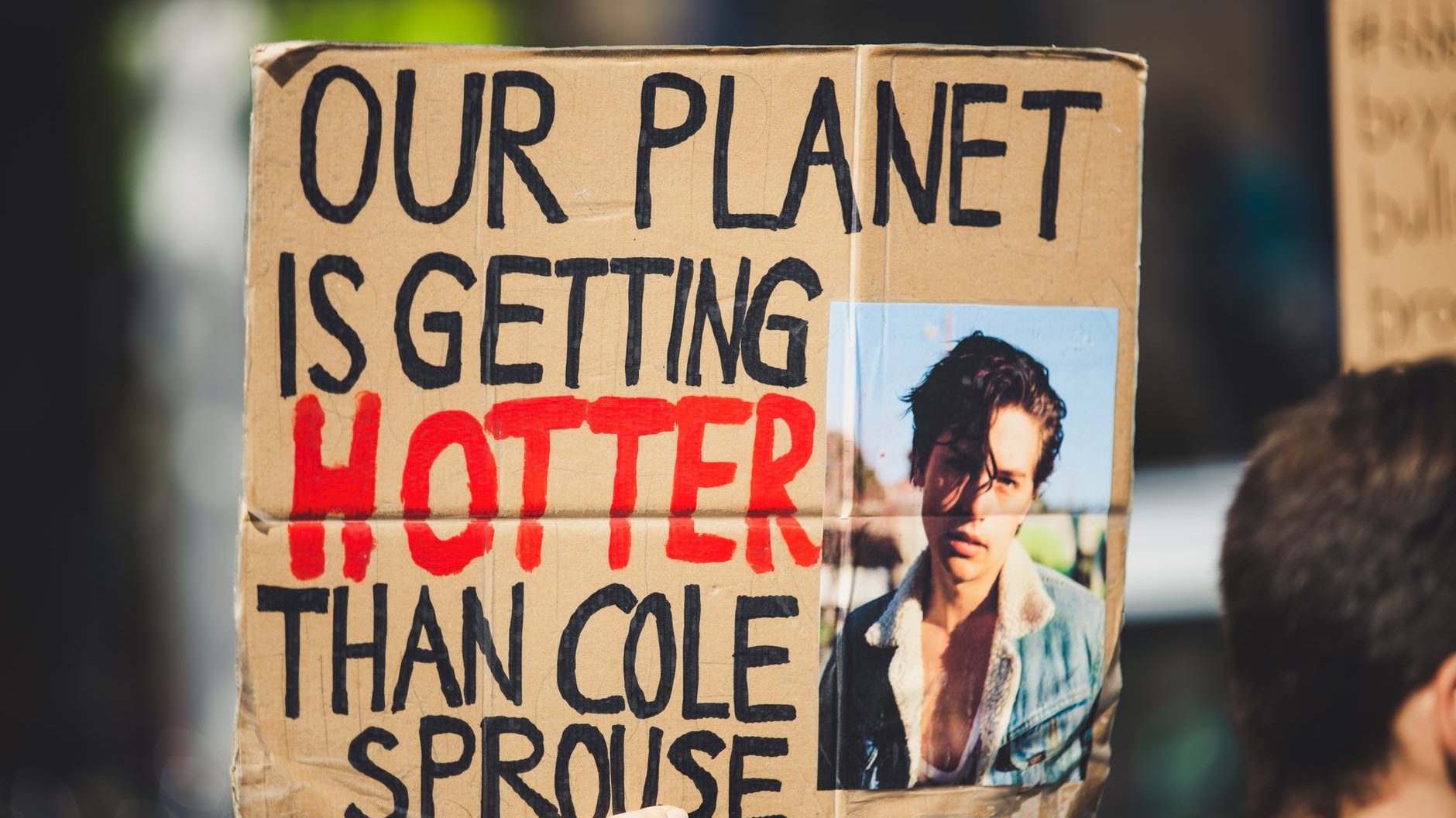
The primary cause of these catastrophes is burning fossil fuel. Therefore, we must shut down the fossil fuel industry as quickly as we can. Fossil fuel subsidies must end today. New fracking wells, pipelines and other fossil fuel infrastructure can no longer be built; that we continue on this path is collective insanity. Fossil fuel must be capped and rationed, and diverted to necessities as we transition to a zero-carbon civilization. If we fail, the planet will continue to heat up, creeping past 1.5C, then 2C, then 3C of global heating as we keep squandering precious time. With every fraction of a degree, the floods and fires and heat will get worse. Coastal cities will be abandoned. Ocean currents will shift. Crops will fail. Ecosystems will collapse. Hundreds of millions will flee regions with humid heat too high for the human body. Geopolitics will break down. No place will be safe. These disasters are like gut punches to our civilization.
There are tipping points lurking in our future, but it’s impossible to know when they will be triggered. What’s certain is that every day we fail to act brings us closer. Some, like the loss of the Amazon rainforest, may already have been passed.
- Peter Kalmus is a climate scientist at Nasa’s Jet Propulsion Lab. He is the author of Being the Change: Live Well and Spark a Climate Revolution
Jennifer Francis: ‘We cannot wait’
We need to immediately stop subsidizing all aspects of the fossil fuel industry. According to this report, the fossil fuel industry received $66bn in 2016, while renewables (excluding nuclear) only received $9.5bn. We should instead use those billions of subsidy dollars to ramp up the renewable energy industry: generation (wind, solar, nuclear), distribution (smarter grid), storage and electric transportation.
If we do not succeed in changing our destructive behavior, the increasing trends in extreme weather, sea levels, government destabilization and human misery will continue and worsen.
Extreme heatwaves, drought, wildfires and flooding events like those we’ve seen in recent summers will become commonplace. Many coastal cities and communities around the globe will be increasingly inundated by high tides and storm surges. Longer, more intense droughts will destroy cropland and force agricultural communities to uproot their families in search of a better life. The devastation of coral reefs around the world will worsen, wiping out fisheries that provide staple protein for millions of people. All of these impacts are happening now. If we don’t act fast, many communities, cultures and species will cease to exist.
- Jennifer Francis is senior scientist at the Woodwell Climate Research Center
Michael Mann: ‘Strictly speaking, zero’
How many years do we have to act? Strictly speaking, zero – which is to say, that we must act, in earnest, now. We have a decade within which we must halve global carbon emissions. As I argue in The New Climate War, this requires dramatic systemic change: no new fossil fuel infrastructure, massive subsidies for renewables, carbon pricing and deploying other policy tools to accelerate the clean energy transition already under way.
We are seeing unprecedented public awareness, renewed leadership from the US and diplomatic progress with China, the other of the world’s two largest carbon polluters. There is reason for cautious optimism that we can rise to the challenge. But there is much work to do, and precious little time now to do it. We must now choose between two paths as we face our future. One leads to massive suffering and collapse of our civilizational infrastructure. The other leads to a prosperous future for us, our children and grandchildren. But it requires that we leave fossil fuels behind. The choice is ours.
- Michael E Mann is distinguished professor of atmospheric science and director of the Earth System Science Center at Penn State University. He is author of the recent book, The New Climate War: The Fight to Take Back our Planet
Holly Jean Buck: ‘We need action now’
We need to ramp up action now in order to transform all of our major systems by 2050: energy, transportation, industry, agriculture, waste management. We’ll need to eat less meat, farm in ways that store more carbon in the soils, reforest degraded or abandoned land and restore wetlands.
We need to force companies to outfit cement plants and other industrial facilities with carbon capture technologies. When it comes to energy, we need to electrify everything. This means replacing gas-fired heating systems with an electric heat pump in your home and swapping out gas-fired stoves. It means inventing new types of energy storage for those times when the wind isn’t blowing and the sun isn’t shining, and getting used to responding to the grid – for example, turning down your air conditioning when the power company says there isn’t enough power (or letting them control your thermostat).
It means shutting down fossil fuel power plants and ramping up wind, solar, geothermal and probably nuclear, as well as building new transmission lines. Our targets should be 60% renewable electricity by 2030, and 90% by 2050. This means tripling renewable installations by 2030, or installing the equivalent of the world’s largest solar farm every day. If those power lines and solar panels look like they are industrializing the landscape, just think about the less visible but deadly costs of the old infrastructure. Fossil fuel combustion was responsible for 8.7m deaths in 2018.
Fossil fuels need to be phased out around the globe. What will people in those industries do? We will need entire new industries in hydrogen and carbon management, industries that turn captured carbon dioxide into fuels and other products as well as store it underground. We can’t just let fossil fuel companies pivot to becoming petrochemical companies, and find ourselves awash in more plastic. We can recycle, use products made from carbon, and innovate new bioproducts. It’s not just an energy transition, it’s a materials transition.
And it needs to be global. If we don’t succeed in transitioning away from fossil fuels globally, we could face an uneven world where a few rich countries congratulate themselves for going green, and a few oil producer nations are supplying the rest of the world with dirty fuel, which they use because they don’t have alternatives. In that world, greenhouse gas concentrations keep rising. Climate change exacerbates the risk of war and conflict. It’s hard to measure or model this for exact quantitative projections, but it’s a serious concern. Phasing out fossil fuels, and supporting other countries in exiting fossil fuels, is the best bet for a peaceful future.
- Holly Jean Buck is assistant professor of environment and sustainability at the University at Buffalo. She is the author of After Geoengineering: Climate Tragedy, Repair, and Restoration
 ClimateGuardian.